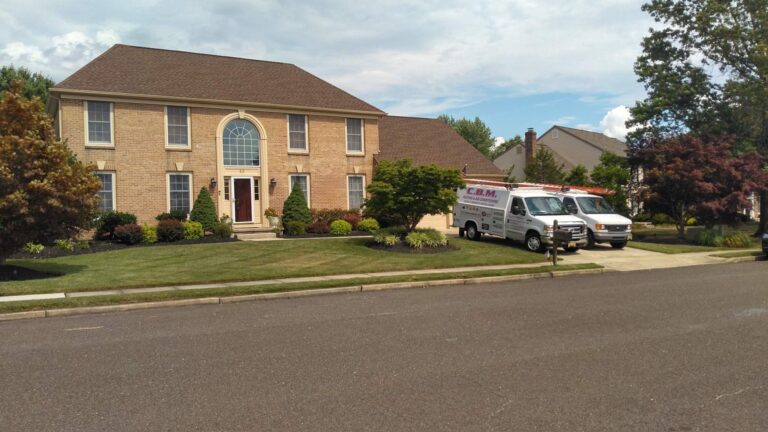
A heating system in Clayton works hard from late October through March, cycling on and off thousands of times to keep your home or business comfortable through South Jersey winters. Most of that work happens quietly and without complaint, which is exactly why so many systems go years without any attention. The problem is that small issues build slowly. A slightly clogged filter restricts airflow, a worn belt loses tension, a burner develops a thin layer of soot, and none of it announces itself until the system either loses efficiency or stops running entirely. Regular heating maintenance is how you catch these problems while they are still cheap and simple to correct.
At CBM Heating & Air Conditioning, LLC, we have built our maintenance practice around prevention rather than reaction. Locally owned and operated, we have been servicing the needs of South Jersey residents for over twenty years, and that experience shapes how we approach every visit in Clayton. Below, we walk through what heating maintenance involves, why it matters, and how we perform it.
Why Heating Maintenance Belongs on Your Calendar
Manufacturers design furnaces, boilers, and heat pumps with the expectation that they receive annual service. Skipping maintenance does not make a system fail immediately, but it shortens its working life and raises the cost of running it. A furnace that has to push air through a dirty filter draws more electricity and burns more fuel to deliver the same heat. Over a full season, that inefficiency adds up on your utility bills.
Maintenance also protects safety. Combustion heating equipment produces carbon monoxide as a byproduct, and a properly working system vents that gas safely outdoors. When a heat exchanger cracks or a flue becomes obstructed, carbon monoxide can enter living spaces. During a maintenance visit, we inspect these components specifically to confirm they are intact and functioning as intended. This is one of the reasons we treat maintenance as more than a tune-up. It is a safety check that gives you and your family peace of mind.
A Closer Look at Different Heating Systems
Not every heating system in Clayton is the same, and each type demands its own maintenance approach. Understanding what you have helps you understand what your service should cover.
- Gas and oil furnaces: These require burner cleaning, heat exchanger inspection, flue and venting checks, and verification of the ignition system. Oil furnaces need additional attention to the nozzle, filter, and combustion chamber, since oil burns less cleanly than natural gas.
- Boilers: Hot water and steam boilers need pressure checks, inspection of the expansion tank, testing of safety relief valves, and bleeding of trapped air from the system. Sediment buildup inside a boiler reduces heat transfer, so we look for signs of scale.
- Heat pumps: Because a heat pump both heats and cools, it works nearly year-round and benefits from service twice a year. We check refrigerant charge, defrost cycle operation, and the reversing valve that switches the unit between heating and cooling modes.
- Ductwork and distribution: Regardless of the heat source, the system that carries warm air matters. We inspect for leaks, loose connections, and blockages that waste energy and create uneven temperatures from room to room.
What We Actually Do During a Maintenance Visit
When our technicians arrive at your Clayton property, we follow a consistent sequence so that nothing gets overlooked. We begin with the thermostat, confirming that it reads temperature accurately and signals the system correctly. A thermostat that is even a few degrees off can make a healthy system seem broken, so this simple step often resolves complaints on its own.
From there we move to the mechanical components. We replace or clean the air filter, lubricate moving parts such as motors and bearings, and check belts for wear and proper tension. We inspect electrical connections and tighten any that have loosened from the constant vibration of normal operation. Loose electrical connections are a common and preventable cause of component failure, and correcting them takes only a few minutes. We then test the system through a full heating cycle, measuring temperature rise across the heat exchanger and confirming that the equipment reaches its target and shuts off cleanly.
The Technical Measurements That Guide Our Work
Good maintenance is not guesswork. We rely on specific readings to judge whether a system is performing within its designed range. Temperature rise, the difference between the air entering the furnace and the air leaving it, tells us whether airflow and combustion are balanced. A rise outside the manufacturer’s specified range points to either restricted airflow or an oversized burner load.
We also measure combustion efficiency on fuel-burning equipment, using instruments that read the composition of the exhaust gases. These readings reveal whether the burner is running too rich or too lean, both of which waste fuel and can produce excess carbon monoxide. On heat pumps, we verify refrigerant pressures against the outdoor temperature to confirm the charge is correct, since an undercharged or overcharged system loses capacity and strains the compressor. These numbers give us an objective picture of system health rather than a general impression.
Situations Where Maintenance Proves Its Value
Consider a homeowner who runs a furnace hard through a cold February. Without maintenance, a marginally cracked heat exchanger might go unnoticed until it fails during the coldest week of the year, leaving the household without heat and requiring an emergency call. Caught during a fall maintenance visit, the same problem gets addressed on a calm autumn afternoon with no interruption to comfort.
Commercial properties face the same logic on a larger scale. A retail store, office, or restaurant in Clayton depends on consistent climate control to serve customers and protect inventory. A heating failure during business hours means lost revenue and uncomfortable staff. Scheduled maintenance keeps these systems reliable and helps facility managers plan for eventual replacement rather than react to sudden breakdowns. For landlords managing multiple units, routine service reduces tenant complaints and extends the working life of equipment they would otherwise replace far too soon.
Signs You Should Not Wait for Your Next Scheduled Visit
Between annual visits, your system will tell you when something is wrong if you pay attention. Unusual noises such as banging, squealing, or rattling often signal a loose or failing part. A burning smell that lingers past the first startup of the season, uneven heating between rooms, short cycling where the system turns on and off rapidly, and a sudden jump in energy bills all warrant a call. Addressing these early usually costs far less than waiting for a full failure.
Why South Jersey Homes and Businesses Choose CBM
When it comes to service, we deliver the same high-quality level of workmanship as we do when we are installing your new equipment. Whether we are performing an annual maintenance check-up or responding to an emergency service call, you can count on CBM to be there. That commitment matters most during the coldest days, when a reliable heating partner makes the difference between a minor inconvenience and a serious problem.
We serve Clayton along with communities throughout the region, including Marlton, Berlin, Medford, Cherry Hill, Voorhees Township, Mount Laurel, Haddonfield, Washington Township & Waterford, NJ, and we bring the same standard of care to every location. Choose us for your family, because you want a job that is done right the first time. To schedule heating maintenance in Clayton, reach out to CBM Heating & Air Conditioning, LLC and let our team keep your system running safely and efficiently all season long.