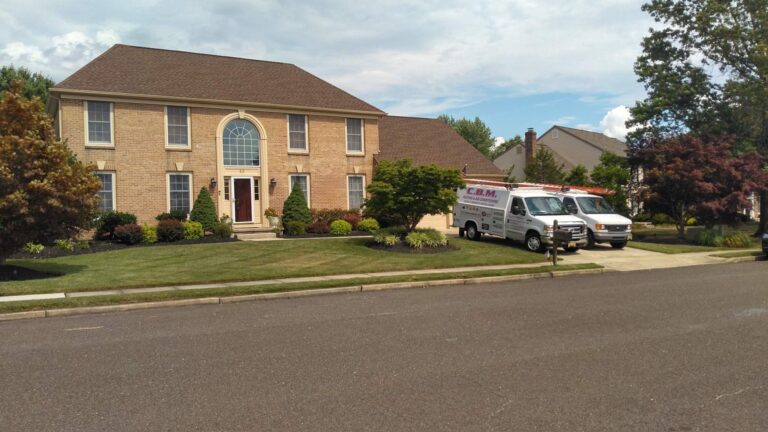
Planning a New Air Conditioning System in Clayton, NJ
You have decided the time is right for a new air conditioner. Maybe your current unit is more than a decade old, maybe repair costs keep climbing, or maybe you are building an addition and the existing system simply cannot keep up. Whatever brought you to this point, the choices you make now will shape how comfortable your home feels for the next fifteen years or more. A good installation is not just about setting equipment in place and connecting a few wires. It is about matching the system to the building, the climate, and the way you actually live.
At CBM Heating & Air Conditioning, LLC, we treat every AC installation in Clayton as a project that deserves careful planning from the first phone call to the final test run. Locally owned and operated, we have been servicing the needs of South Jersey residents for over twenty years, and that experience shapes the way we approach each job. This page walks you through how a proper installation unfolds, what the technical decisions mean for you, and what you can expect when you choose us.
The Stages of a Professional Installation
An air conditioner that performs well for years is the result of a sequence of steps done in the right order. Skipping or rushing any one of them tends to show up later as high energy bills, uneven cooling, or premature breakdowns. We follow a clear progression on every project so nothing is left to guesswork.
- Home evaluation and load calculation: We visit your property, measure the space, and study insulation, window placement, ceiling height, and sun exposure. This gives us the data to size the system correctly.
- System selection: Based on the load calculation and your goals, we recommend equipment with the right cooling capacity and efficiency rating.
- Ductwork and airflow review: We inspect existing ducts for leaks, blockages, or poor design, and correct issues that would undermine a new unit.
- Installation and connection: We set the equipment, run refrigerant lines, connect electrical service, and mount the thermostat.
- Commissioning and testing: We charge the system, verify airflow and refrigerant pressures, and confirm the unit reaches its rated performance before we leave.
Each of these stages builds on the one before it. The load calculation, for example, is meaningless if the ductwork cannot deliver the air the system produces. That is why we look at the whole picture rather than treating the outdoor condenser as the only thing that matters.
Why Correct Sizing Changes Everything
One of the most common mistakes in the industry is installing a unit that is too large for the home. It seems logical that a bigger air conditioner would cool better, but the opposite is often true. An oversized system cools the air quickly, satisfies the thermostat, and shuts off before it has run long enough to pull moisture out of the air. The result is a house that feels cold and clammy at the same time, with the compressor cycling on and off in short bursts that wear it out faster.
An undersized unit has the opposite problem. It runs almost constantly during the hottest part of the day, never quite reaching the temperature you set, and consuming energy the whole time. The comfort suffers and so does the equipment life. By performing a proper load calculation that accounts for square footage, ceiling height, window area, and insulation, we specify a system that runs in longer, steadier cycles. Those cycles dehumidify effectively, hold a consistent temperature, and keep operating costs where they should be. Getting the size right is one of the single most important things we do on any Clayton installation.
Understanding the Technical Specifications
When you shop for a new system, you will run into terms and numbers that describe how the equipment performs. Knowing what they mean helps you make an informed decision rather than relying on marketing claims alone.
SEER, which stands for Seasonal Energy Efficiency Ratio, measures how much cooling a system delivers per unit of electricity across a typical season. A higher SEER number means lower running costs, though the equipment itself usually carries a higher purchase price. We help you weigh that trade-off honestly based on how often you run the system and how long you plan to stay in your home. Tonnage describes cooling capacity, with one ton equaling roughly twelve thousand BTUs per hour. The correct tonnage comes directly from the load calculation, not from a rule of thumb.
Refrigerant type matters as well. Modern systems use refrigerants designed to comply with current environmental standards, and pairing the indoor coil with the correct outdoor condenser is essential for the system to reach its rated efficiency. Airflow, measured in cubic feet per minute, ties the whole system together. Even a high-SEER unit will underperform if the blower and ducts cannot move air at the volume the equipment expects. We verify each of these specifications during commissioning so the numbers on the label match the performance in your home.
Systems We Install and the Homes They Fit
No single type of air conditioning suits every property. Part of our job is matching the technology to the building and to the people who live in it. Central air systems remain the most popular choice for homes that already have ductwork, delivering even cooling throughout the house from a single condenser. When the ducts are in good shape, a central system is often the most economical path to whole-home comfort.
For homes without existing ductwork, for additions, or for rooms that never seem to cool properly, ductless mini-split systems offer a flexible alternative. They mount a compact air handler in each zone and connect to an outdoor unit through a small refrigerant line, so you can cool specific areas without tearing open walls to run ducts. Heat pump systems are another option worth considering, since they provide cooling in summer and efficient heating in the milder parts of the year from a single piece of equipment. We install and service all of these types, and we take the time to explain which one fits your situation before any work begins.
Serving Clayton and the Surrounding Communities
Clayton summers bring the heat and humidity that make air conditioning a necessity rather than a luxury. The way a system handles that combination of warmth and moisture is exactly what separates a comfortable home from a merely cool one. Because we work throughout South Jersey, including Marlton, Berlin, Medford, Cherry Hill, Voorhees Township, Mount Laurel, Haddonfield, Washington Township & Waterford, NJ, we understand the demands the local climate places on cooling equipment and we size and install accordingly.
When it comes to service, we deliver the same high-quality level of workmanship as we do when we are installing your new equipment. Whether we are performing an annual maintenance check-up or responding to an emergency service call, you can count on CBM to be there. That commitment does not end the day your new system starts running. We stand behind the work and remain available to keep the equipment performing at its best for years to come.
Why Homeowners Choose CBM
Choosing a contractor for a project this important comes down to trust. You want someone who explains the options clearly, does the work correctly, and treats your home with respect. CBM Heating & Air Conditioning, LLC has built its reputation on exactly those qualities over more than two decades of serving local families and businesses. We do not cut corners on the steps that matter, and we do not sell you more equipment than your home needs.
Choose us for your family, because you want a job that is done right the first time. From the first evaluation through the final performance test, we handle your AC installation in Clayton with the care and attention it deserves. When you are ready to talk about a new system, reach out to CBM Heating & Air Conditioning, LLC and let us show you what a properly planned and executed installation looks like.