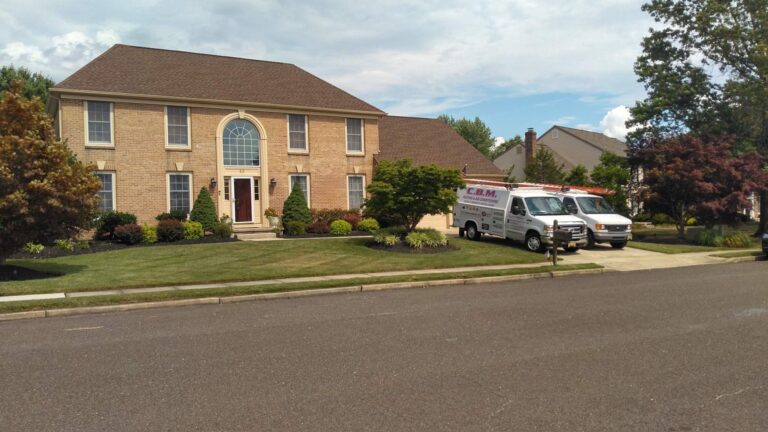
How Trees, Shrubs, and Outdoor Plants Around Your South Jersey Home Can Affect Your HVAC System’s Efficiency and Longevity
The outdoor condenser unit sitting beside your South Jersey home relies on one basic principle to work: it must pull in air, push heat out, and breathe freely while it does so. The moment vegetation interferes with that airflow, the whole system begins working harder than it should. Leaves, pollen, seed pods, and overhanging branches are not harmless background features of your yard. They are variables that directly change how much energy your system burns and how many years it survives.
At CBM Heating & Air Conditioning, LLC, we have spent more than twenty years inspecting outdoor units across Berlin, Cherry Hill, Haddonfield, Medford, Mount Laurel, and Voorhees Township. A recurring pattern shows up in service calls: a system that performs poorly is frequently surrounded by well-meaning landscaping that quietly chokes its performance. Understanding that relationship helps you protect the equipment you have already paid for.
How Vegetation Interferes With Airflow and Heat Transfer
Your condenser removes heat from inside the home and releases it outdoors through a set of thin aluminum fins wrapped around copper coils. A fan draws air across those fins. When plant debris collects on or around the unit, the coil cannot shed heat efficiently. The refrigerant stays hotter than it should, head pressure rises, and the compressor—the single most expensive component in the system—labors under conditions it was never designed to tolerate for long periods.
South Jersey landscapes create specific challenges. Oak and maple shed leaves every fall that pack tightly against intake surfaces. Pine needles slip between fins and lodge there. Flowering shrubs and ornamental grasses release seed material through spring and summer that coats the coil like felt. Even grass clippings from a nearby mower pass become a clogging agent. Here are the most common ways vegetation degrades performance:
- Restricted intake airflow: Shrubs planted too close reduce the volume of air the fan can pull, forcing longer run cycles.
- Coil fouling: Pollen, cottonwood seed, and fine debris insulate the fins and block heat transfer.
- Root and moisture problems: Dense plantings trap humidity against the cabinet, accelerating corrosion of metal surfaces.
- Overhead drip and sap: Trees directly above the unit drop sap, berries, and bird waste that bake onto the coil.
Each of these effects compounds. A unit that is both shaded by excessive overgrowth and clogged with debris may draw ten to twenty percent more electricity to produce the same cooling, and that extra strain shortens the lifespan of the compressor and fan motor measurably.
Finding the Right Balance Between Shade and Clearance
Homeowners often hear that shading a condenser improves efficiency, and there is truth to that. A unit placed in direct afternoon sun on the west side of a Medford or Voorhees home works slightly harder than one in natural shade. The problem is that most people solve the sun issue by planting too close, which creates a far worse airflow restriction. The physics of blocked airflow nearly always outweighs the modest benefit of shade.
The practical rule we recommend throughout South Jersey is simple: give the unit room. Maintain at least two to three feet of open space on all sides, and keep a minimum of five feet of unobstructed clearance above the fan so hot discharge air can rise freely. If you want shade, position a tree or trellis far enough away that it blocks the sun during peak hours without dropping debris onto the coil or crowding the intake. A deciduous tree planted ten or more feet to the southwest offers seasonal shade while keeping its leaf litter at a safe distance.
When we install new equipment, we evaluate the surrounding landscape as part of the placement decision. The same attention to detail that defines our installation work carries into every service visit. Whether we are performing an annual maintenance check-up or responding to an emergency service call, you can count on CBM to be there, and part of that service includes advising you on the vegetation that affects your results.
Seasonal Care and Protecting Your Investment
Landscaping around an HVAC system is not a one-time concern. The debris load changes with every season in South Jersey, so a maintenance rhythm keeps the equipment breathing. Spring brings heavy pollen and seed. Summer growth pushes shrubs closer to the cabinet. Fall drops the largest volume of leaves. Winter ice and heavy mulch can trap moisture against the base.
We recommend a straightforward seasonal routine that any homeowner can follow between professional visits:
- Spring: Clear pollen and seed buildup, and cut back any new growth encroaching on the clearance zone.
- Summer: Inspect shrubs and ornamental grasses that may have expanded toward the unit, and rinse the coil gently with a hose.
- Fall: Remove accumulated leaves and keep the top of the unit clear of falling debris.
- Winter: Pull mulch and ground cover back from the base to prevent trapped moisture and corrosion.
Beyond these homeowner steps, a professional maintenance visit addresses what casual cleaning cannot reach. We straighten bent fins, deep-clean the coil with appropriate agents, check refrigerant charge and pressures, and verify that airflow across the entire system meets specification. Debris that has worked its way deep into the fin pack requires proper tools and technique to remove without damaging the delicate aluminum.
CBM Heating & Air Conditioning, LLC is locally owned and operated, and we have been servicing the needs of South Jersey residents for over twenty years. We understand the trees, soil, and seasonal patterns of this region because we live and work here too. When it comes to service, we deliver the same high-quality level of workmanship as we do when installing your new equipment. Choose us for your family, because you want a job that’s done right the first time—and that includes protecting your HVAC system from the landscape that surrounds it.