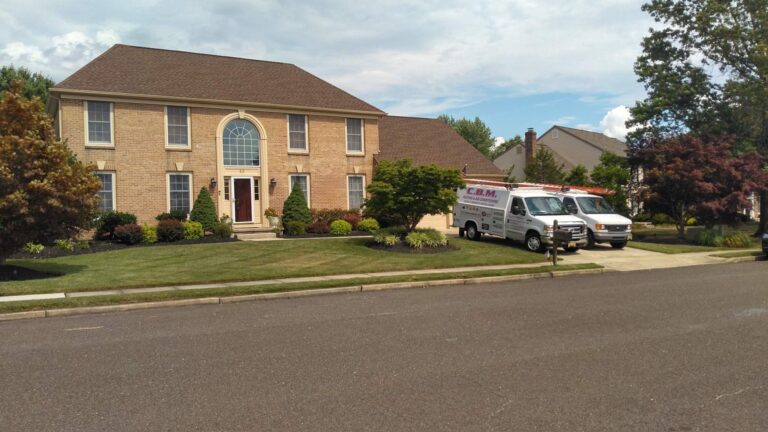
A central air conditioning system in Cedar Brook typically lasts between 12 and 18 years, depending on how well it was installed, maintained, and matched to the home it serves. When yours reaches the end of that lifespan, replacement becomes a decision worth making carefully. The equipment you choose affects your comfort, your monthly utility bills, and the reliability of your cooling through years of hot, humid South Jersey summers. This page explains how we approach AC replacement, what factors matter, and what you can expect when you work with us.
When Replacement Makes More Sense Than Repair
Deciding between repairing an existing unit and replacing it entirely is rarely obvious. A single failed component on an otherwise healthy system usually justifies a repair. But when an older system needs frequent service calls, struggles to keep up on the hottest days, or uses a refrigerant that is being phased out, the math often shifts toward replacement. Repairs add up quickly, and pouring money into aging equipment can leave you with the same reliability problems a year later.
Age is one of the clearest indicators. Systems that have passed the 12-year mark tend to lose efficiency, and older refrigerants like R-22 are no longer manufactured, making repairs more expensive and harder to source. Rising energy bills also point toward a failing system, because worn compressors and degraded components draw more power to produce less cooling. When we assess your situation, we weigh the cost of continued repairs against the long-term savings and comfort a new system delivers, and we give you an honest recommendation rather than pushing you toward the most expensive option.
How We Size and Select the Right System
Proper sizing is the single most important factor in a successful AC replacement, and it is where many rushed installations go wrong. A unit that is too large cools the air quickly but shuts off before removing enough humidity, leaving your home clammy and cycling the equipment on and off in a way that wears it out early. A unit that is too small runs constantly, never quite reaching the temperature you set, and consumes excess energy in the process. Getting the capacity right requires more than a rule of thumb.
We perform a load calculation that accounts for the specific characteristics of your Cedar Brook home. Several factors feed into that calculation:
- Square footage and layout: the total conditioned space and how rooms connect affect how air moves and where cooling is needed most.
- Insulation and windows: older or poorly insulated homes gain heat faster and may need different capacity than newer construction.
- Ductwork condition: leaky or undersized ducts limit performance no matter how capable the new unit is.
- Sun exposure and orientation: homes with large south- or west-facing windows absorb more heat through the day.
- Local climate demands: South Jersey summers combine high temperatures with heavy humidity, so systems must handle both.
Once we understand your load, we help you choose equipment that fits it. Modern systems come with efficiency ratings measured in SEER2, and higher ratings translate to lower operating costs over the life of the unit. We explain the trade-offs between standard single-stage units, two-stage systems that adjust output, and variable-speed models that offer the quietest operation and the tightest humidity control. The goal is to match the technology to your budget and comfort priorities, not to sell features you will not use.
Our Replacement Process From Start to Finish
A well-executed replacement follows a clear sequence, and we keep you informed at every step. We begin with an in-home assessment where we inspect the existing equipment, measure your space, evaluate your ductwork, and discuss what has and has not worked with your current system. This conversation matters, because your day-to-day experience often reveals problems that a quick glance at the unit would miss.
After we agree on the right system, our installation typically unfolds in the following order:
- Old equipment removal: we safely disconnect and remove the existing condenser, coil, and any components being replaced, recovering refrigerant according to environmental regulations.
- Site preparation: we make sure the pad, mounting surfaces, electrical connections, and drain lines are ready for the new equipment.
- New unit installation: we set the outdoor condenser and indoor coil, connect refrigerant lines, and integrate the system with your existing or upgraded ductwork.
- Electrical and control connections: we wire the system correctly and connect the thermostat, verifying that all safety controls function.
- Charging and testing: we charge the system to the manufacturer’s specification, then measure airflow, temperature differential, and pressures to confirm proper operation.
- Walkthrough: we show you how the system works, explain maintenance basics, and answer your questions before we leave.
Attention to these details is what separates a replacement that performs for years from one that develops problems within the first season. Refrigerant charge, in particular, must be precise. An undercharged or overcharged system loses efficiency and shortens compressor life, so we never guess at this step.
Residential and Commercial Replacements
AC replacement needs vary widely depending on the building. In a single-family home, we focus on comfort in living spaces, quiet operation, and even cooling from room to room. Many homeowners come to us after living with a system that leaves upstairs bedrooms warm while the ground floor stays cool, and a properly sized replacement paired with duct improvements often resolves that imbalance.
Commercial replacements bring their own challenges. Offices, retail spaces, and other buildings often use rooftop units or multiple systems zoned for different areas, and downtime carries a real cost when customers or employees are affected. We plan commercial replacements to minimize disruption, and we account for the heavier usage patterns that commercial equipment endures. Whether the project is a compact residential system or a larger commercial installation, we apply the same standards of workmanship and the same commitment to doing the job right.
Why Cedar Brook Homeowners Choose Us
CBM Heating & Air Conditioning, LLC is locally owned and operated, and we have been servicing the needs of South Jersey residents for over twenty years. That longevity means we have seen how systems behave in this region’s climate, and we bring that experience to every replacement we perform. We serve Cedar Brook along with surrounding communities including Marlton, Berlin, Medford, Cherry Hill, Voorhees Township, Mount Laurel, Haddonfield, Washington Township & Waterford, NJ, so we are familiar with the homes and buildings in the area.
When it comes to service, we deliver the same high-quality level of workmanship as we do when we’re installing your new equipment. A replacement is only the beginning of a long relationship with your cooling system, and we stand behind our work with the same reliability whether we are performing an annual maintenance check-up or responding to an emergency service call. You can count on CBM to be there. Choose us for your family, because you want a job that’s done right the first time.
Getting Started With Your Replacement
If your air conditioner is aging, cooling unevenly, or costing more to run each summer, the best first step is a straightforward conversation. We will assess your current system, explain your options in plain terms, and give you a clear picture of what a replacement involves before you commit to anything. There is no benefit in rushing this decision, and we will not pressure you to.
Investing in the right system pays dividends for well over a decade in the form of lower bills, dependable comfort, and fewer service headaches. Reach out to CBM Heating & Air Conditioning, LLC to schedule your assessment, and let us help you replace your Cedar Brook cooling system with equipment sized, installed, and tested to perform for years to come.